Navigating the Rise of SME Neobanks
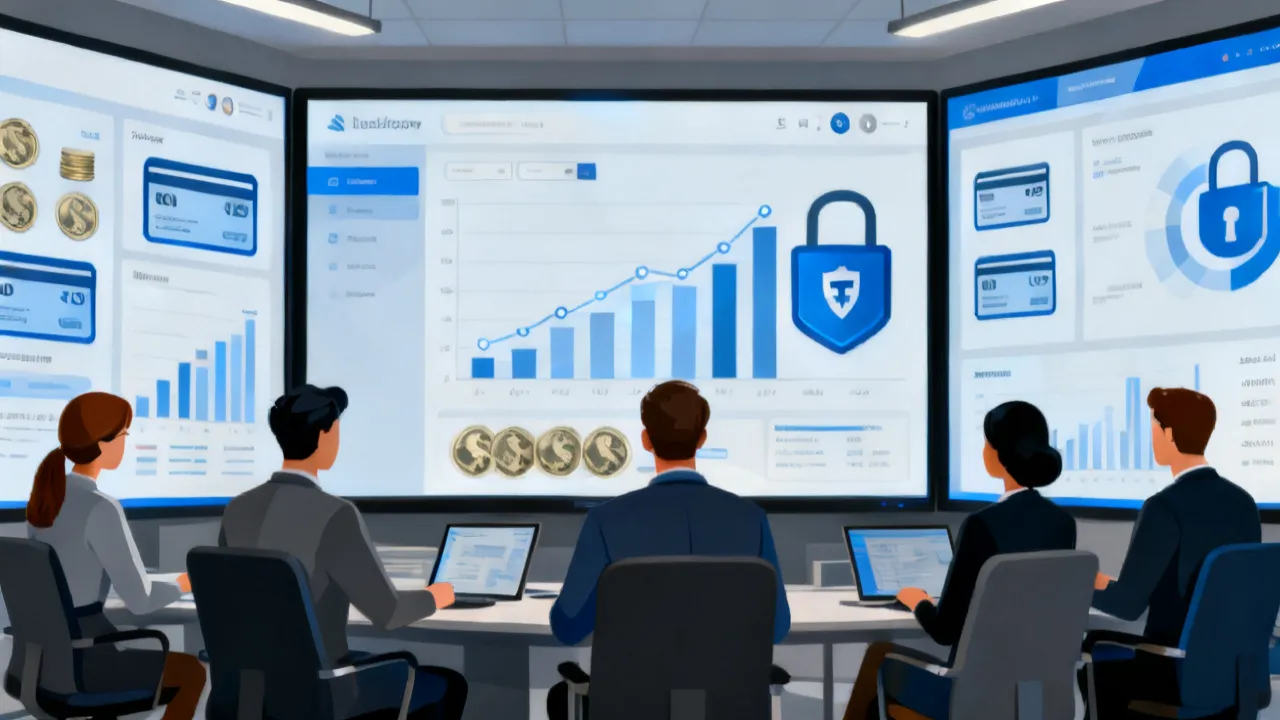
This guide explores the emergence of SME Neobanks, a digital-first banking service catering primarily to small and medium-sized enterprises. By offering streamlined financial solutions through online platforms, neobanks are revolutionizing how businesses manage their finances. These banks provide a host of innovative services, often at lower costs, making them an attractive option for contemporary SMEs.
The Rise of SME Neobanks
In the rapidly evolving world of financial technology, SME Neobanks have emerged as pivotal players. These digital-first banks are redefining the banking landscape for small and medium-sized enterprises (SMEs) by offering streamlined and cost-effective financial solutions. Unlike traditional banks, neobanks operate primarily online, providing a suite of services that cater specifically to the needs of SMEs. The rise of SME Neobanks is not merely a trend but a fundamental shift in how businesses manage their finances, allowing for agility and efficiency that was previously unimaginable.
Understanding SME Neobanks
SME Neobanks are essentially fintech companies that provide banking services without the physical branches of conventional banks. They leverage cutting-edge technology to offer an array of services, from basic current accounts to more complex financial products, including loans, credit lines, and payment processing. The primary aim is to reduce the operational complexities and costs associated with traditional banking methods, thus allowing SMEs to focus more on their core business activities. Moreover, neobanks capitalize on data analytics to provide services tailored specifically to the needs of each individual business, assessing risk and offering customized solutions that may not be available through traditional channels.
The Role of Technology in Neobanking
At the core of the neobanking revolution lies technology. Digital platforms enable these banks to optimize their operations, streamline their service offerings, and enhance customer experience. With the integration of artificial intelligence (AI), machine learning, and big data analytics, SME Neobanks can analyze vast amounts of data to predict customer behavior, identify potential new services, and prevent fraud. These technologies enable neobanks to make real-time decisions, understand the financial health of their clients, and engage with them in a much more interactive manner. For instance, many neobanks use chatbots for customer support that can handle a multitude of inquiries efficiently, freeing up important resources for more complex tasks.
Key Services Offered by SME Neobanks
These digital banks offer a variety of services tailored to the diverse needs of small and medium-sized businesses. They provide simple yet effective tools for managing cash flow, making cross-border transactions, and accessing loans – all through a user-friendly digital interface. Key features include:
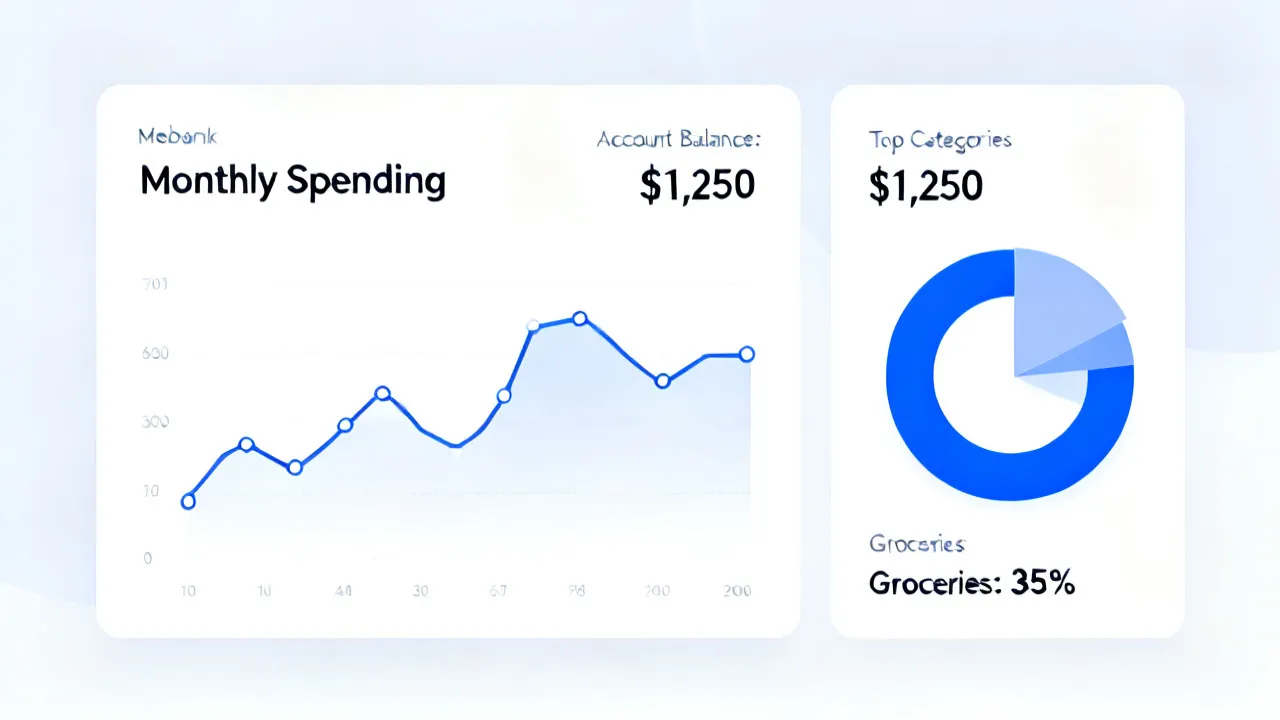
- Expense Management Tools: Neobanks often include features that help SMEs keep track of their spending by categorizing expenses and providing visualizations that show spending patterns, enabling better financial decisions.
- Integrated Accounting Software: Many neobanks offer integrated tools or partnerships with accounting software that simplify bookkeeping, invoice generation, and tax preparation, thus saving SMEs both time and money.
- Flexible Financing Options: With advanced algorithms to assess creditworthiness, neobanks can offer flexible financing solutions that may include quick access to lines of credit or loans with competitive interest rates.
- International Transactions: Most SME Neobanks have favorable terms for international transactions, allowing businesses to operate globally without incurring heavy fees typical of traditional banks.
The absence of physical branches significantly cuts down overhead costs, thereby allowing these banks to offer competitive rates and seamless banking experiences for SMEs. In addition, their focus on digital platforms means that they can roll out updates and improve their offerings rapidly without being hindered by the physical infrastructure that traditional banks must manage.
Comparative Analysis: Traditional vs. Neobank
While traditional banks provide a broad spectrum of services, they often come with higher fees and lengthy processes. In contrast, SME Neobanks tend to offer faster service delivery at a lower cost. Businesses find this particularly attractive as they seek to optimize both performance and expenditure in today's competitive market. To further illustrate the differences, let’s consider several critical aspects:
- Customer Service: Traditional banks often have long wait times for customer service, as many tasks require in-person visits. Neobanks, on the other hand, can resolve most issues through their apps or websites and typically provide 24/7 support through chat and phone services.
- Fees: Neobanks usually operate with lower fees for account maintenance, withdrawal, and foreign transactions. Since they do not have physical branches, they can pass on those savings to their customers.
- Accessibility: Neobanks are accessible anytime and anywhere, meaning SMEs can conduct their banking activities from a smartphone or computer without needing to visit a bank branch.
- Tech Innovations: Neobanks often lead in adopting innovative technologies like biometric security, instant cross-border transactions, and API integrations that enhance user experience, while traditional banks often lag in adopting such rapid technological advancements.
Furthermore, neobanks are often at the forefront of financial innovation, introducing features like real-time transaction updates, integrated accounting, and easy-to-use mobile apps. These improvements help SMEs streamline their financial operations and make informed decisions with immediate access to relevant information.
Bonus Offers from Leading US Banks
Apart from understanding the rise of neobanks, SMEs can benefit from various bonus offers provided by traditional banks. Here’s a comparison of some major US banks offering bonuses upon opening certain accounts:
| Bank | Account Type | Bonus Condition | Bonus Amount |
|---|---|---|---|
| Bank of America | Personal Checking Account | Deposit at least $2,000 in direct deposits within 90 days | $200 |
| Chase Bank | Total Checking Account | Make at least one direct deposit of any amount within 90 days | $300 |
| Citibank | Regular Checking Account | Complete two direct deposits totaling $6,000 or more within 90 days | $450 |
| Wells Fargo | Everyday Checking Account | Deposit a total of $1,000 in direct deposits within 90 days | $300 |
| SoFi Bank | Checking and Savings Account | Deposit $1,000 for $50 bonus or $5,000 for $300 bonus in direct deposits | $50-$300 |
| Capital One Bank | 360 Checking Account | Use promo code REWARD250; make two $500+ direct deposits within 75 days | $250 |
Source: [Bank of America](https://www.bankofamerica.com/deposits/checking/), [Chase Bank](https://accounts.chase.com/consumer/raf/online/rafoffers?key=1934238931), [Citibank](https://online.citi.com/US/ag/banking/checking-account), [Wells Fargo](https://www.wellsfargo.com/checking/), [SoFi](https://www.sofi.com/banking/), [Capital One](https://www.capitalone.com/bank/checking-accounts/online-checking-account/)
These bonus offers can provide an excellent incentive for SMEs to consider traditional banking options for certain services, such as payment processing or cash management, while still maintaining their primary operations with neobanks for their agility and efficiency.
Simplicity and Convenience
One of the biggest advantages of SME Neobanks is the simplicity and convenience they offer. Entrepreneurs can open accounts quickly and manage them on the go via robust mobile apps. The onboarding process can often be completed in minutes, with identity verification done through mobile technology. This streamlined approach minimizes the barriers typically associated with opening a bank account, enabling small business owners to focus on their ventures rather than their finances.
The everyday banking experiences are enhanced with features that help maintain financial oversight with minimal effort. For example, many neobanks provide built-in budgeting tools that automatically categorize transactions, giving users immediate insights into their spending without extensive manual input. These tools are particularly useful for business owners who may not have time to dedicate to detailed financial management. In addition, the immediate access to account history and transaction data allows for on-the-go decision-making, a crucial aspect for SMEs operating in fast-paced environments.
These digital-first banks also encourage financial literacy by providing insights into spending patterns and personalized financial advice. By analyzing transaction data, neobanks can offer tailored recommendations, such as suggesting cost-saving alternatives or highlighting potential investment opportunities. Such features empower SMEs to make informed decisions and actively participate in the management of their finances.
Challenges Facing SME Neobanks
While the rise of SME neobanks has been predominantly positive, there are several challenges that these innovative banks face as they strive to carve out their niche in the competitive financial landscape.
- Regulatory Compliance: As financial entities, SME neobanks must adhere to various regulations set by financial authorities. This can be particularly challenging for new entrants that may not have the resources to navigate the complex regulatory landscape effectively.
- Market Saturation: With more players entering the neobanking space, the market can become saturated, making it difficult for individual neobanks to differentiate themselves and retain customers. Continuous innovation and unique service offerings become crucial for survival.
- Trust and Reputation: Many SMEs may still feel hesitant to switch from traditional banks to neobanks, due to a perceived lack of trust or concerns about data privacy and security. Building a strong reputation and ensuring that customers' data is protected is essential for neobanks to win over users.
- Technology Dependence: The entire business model of neobanks relies heavily on technology. Any technical failures or cybersecurity breaches could lead to significant disruptions and erode customer trust. It is essential that neobanks invest in robust security measures and contingency plans.
Understanding these challenges is vital for neobanks as they continue to grow and adapt in a rapidly changing environment. By addressing these issues head-on, they can enhance their service offerings and build long-lasting relationships with their SME clients.
FAQs
- What are SME Neobanks?
They are digital banks primarily catering to small-to-medium enterprises, offering efficient financial services without the physical banking locations. - How do SME Neobanks differ from traditional banks?
SME Neobanks are exclusively online and typically charge lower fees, focusing on technology-driven solutions. - What benefits do bonuses from traditional banks offer?
They provide financial incentives for new account holders, helping businesses maximize their initial deposits and banking relationships. - Are SME Neobanks safe?
Yes, reputable neobanks implement various security measures and regulatory standards to protect customer data and finances; however, it's essential to read reviews and conduct research prior to choosing a neobank. - Can I integrate my neobank with accounting software?
Most neobanks offer APIs or built-in integrations with accounting software to simplify bookkeeping and financial management.
Conclusion
The rise of SME Neobanks reflects a significant shift in financial services, driven by the need for innovation and efficiency. As technology continues to advance, these banks are expected to further challenge traditional banking paradigms, offering even more tailored and cost-effective solutions for SMEs seeking agility in financial management. The ability to operate efficiently and provide personalized services means that neobanks are set to become a cornerstone of modern business finance.
Furthermore, as businesses increasingly digitize their operations, the role of neobanks will likely expand, providing essential financial tools and services that foster growth and sustainability. The collaboration between neobanks and SMEs paves the way for a future where banking is not just a service, but a crucial partner in driving business success.
Disclaimer
The above information comes from online resources, and the data is as of October 2023. The above information may vary over time and by region. It is advisable to check the official websites of banks or contact customer service for the very up-to-date information before opening an account. Additionally, some rewards may only be available in specific regions or may have other restrictions. As the financial landscape continues to evolve, keeping abreast of changes in available services and offers is crucial for any business owner.
-

The Ultimate Guide to Train Tours: Affordability and Value
-
Mastering Digital Marketing: Essential SEO Skills You Need
-
Enhancing Mobility with Portable Stairlifts: A Comprehensive Guide
-
Cash Management Services for Corporates: A Practical Guide
-
Cash Management Services for Corporates: A Practical Guide