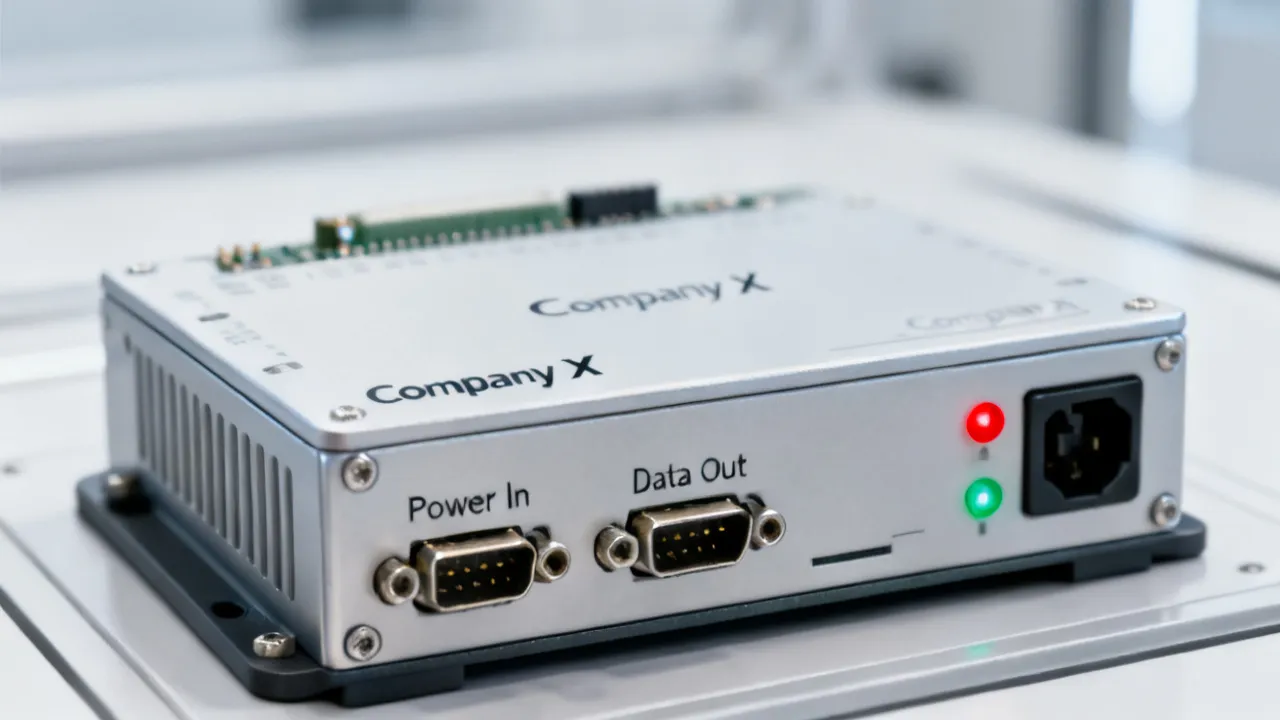
Kony DBX Explained: Use, Sourcing, and Considerations
This guide explains Kony Dbx in practical terms—how it fits into modern product workflows, what to evaluate when sourcing, and which conditions typically matter before purchase. Objectively, “DBX” concepts often relate to signal/processing or equipment configuration layers, while “Kony Dbx” is commonly used as a product/series name in procurement discussions.
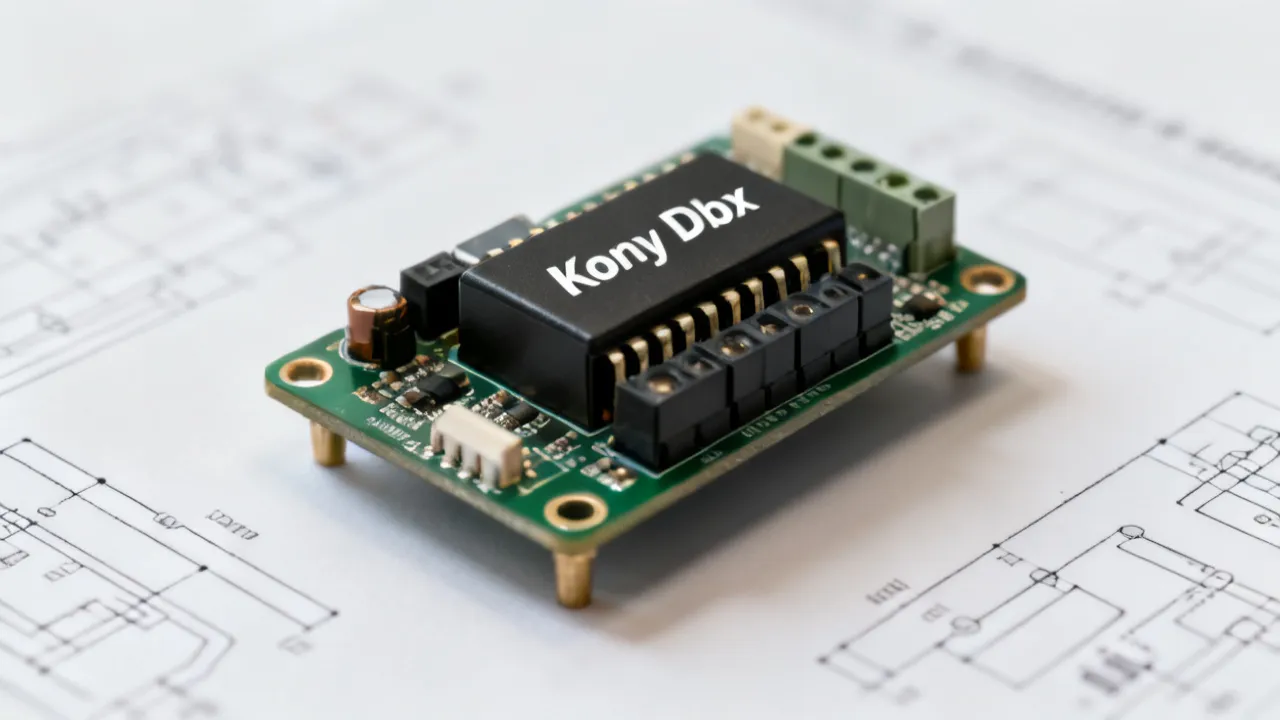
1) Kony Dbx at a glance: what matters first
Kony Dbx is typically discussed in procurement and technical planning because it sits at the intersection of equipment configuration and performance-ready deployment. When buyers evaluate Kony Dbx, the priority is usually not “marketing claims,” but concrete fit: compatibility with surrounding systems, operating requirements, expected maintenance effort, and the credibility of the supplier.
From an industry perspective, the very reliable starting point is to treat the purchase like an integration project rather than a standalone item. In other words: confirm interfaces, verify documentation quality, and ensure the intended installation environment aligns with the manufacturer or distributor’s stated constraints.
Because product lines and configuration variants can differ, sourcing decisions commonly hinge on four factors: (1) exact model/variant, (2) technical specifications that match your use-case, (3) supplier support maturity (documentation, commissioning guidance, warranty handling), and (4) total cost of ownership elements such as commissioning time, spare parts policy, and service responsiveness.
One reason Kony Dbx discussions can become complicated is that buyers often encounter the term as a shorthand. Even if people agree on the name, they may not be looking at the same revision, the same configured BOM, or the same interface mode. That’s why the “first matters” viewpoint should be: identify the exact device you are buying, then confirm it matches your system’s electrical, mechanical, and procedural assumptions.
To keep procurement grounded, it also helps to define an internal “decision boundary.” For example: if a unit’s configuration changes interface behavior or supported modes, then you cannot compare vendors purely on price. You can compare only when you can prove configuration equivalence through part numbers, datasheets, and documentation packs tied to the quoted line item.
Finally, when teams want to move quickly, they sometimes skip early interface verification. In practice, that often leads to downstream delays: missing adapters, mismatched signal standards, configuration tooling not included, or support responses that arrive after installation windows have already been missed. Treating Kony Dbx as a scoped integration element early is typically the fastest route to schedule stability.
2) Background: understanding “Kony Dbx” terminology objectively
In procurement conversations, Kony Dbx generally functions as a shorthand label for a specific product series, component set, or configuration option offered by a supplier or ecosystem partner. The term “DBX” is often used across engineering contexts to describe a decibel-related measurement (e.g., in audio), a data box or device bus extension abstraction (in systems integration), or a product family label that implies processing or interface handling. However, the correct meaning is always model-dependent—so buyers should avoid assuming that “DBX” carries the same definition across all markets and catalog versions.
Practically, this means you should confirm the exact datasheet for the specific Kony Dbx unit you are considering. An objective approach is to request a specification document that includes: inputs/outputs, protocol or interface descriptions (if any), power requirements, environmental operating ranges, expected operating modes, and any safety or regulatory marks applicable to your region.
To go one step further, many teams also request a “configuration mapping” document. This can be an excerpt from the manufacturer’s ordering guide that shows how options and accessories change behavior. Without that mapping, procurement often ends up with an ambiguous part number that looks correct but behaves differently than expected.
It is also worth noting that “Kony Dbx” could be referenced differently depending on the procurement channel. An authorized distributor might quote with formal part numbers, while a reseller might use a simplified internal catalog label. If your organization depends on auditability (for compliance, warranties, or maintenance traceability), you should require the formal identifier on the purchase order and receive documentation that ties the received hardware to that identifier.
For high-stakes deployments (industrial, mission-critical audio/measurement systems, regulated environments), terminology ambiguity can be more than an inconvenience. It can affect whether you receive the correct safety certification package, whether firmware is supported for your region, and whether the unit can be maintained with the expected spares. Therefore, terminology alignment is not just administrative—it becomes a reliability control.
3) What you should verify before buying Kony Dbx
When evaluating Kony Dbx, an experienced buyer’s checklist usually begins with the “must-match” technical requirements. Even small mismatches—like connector type, signal level, mounting dimensions, firmware version expectations, or power supply tolerances—can lead to delays and rework.
Below is an expert-oriented set of verification themes that tend to reduce integration risk:
- Exact model and revision: Confirm the part number, variant, and revision level. If the supplier lists multiple configurations, ensure the quote corresponds to the configuration you will actually deploy.
- Interface compatibility: Validate input/output compatibility with your existing equipment. If the documentation references protocols (industrial networks, audio routing standards, control interfaces, or configuration tooling), request the mapping to your system.
- Power and environmental constraints: Verify power voltage range, consumption (if applicable), and temperature/humidity ratings for the installation setting.
- Documentation completeness: Prefer suppliers who provide datasheets, installation/commissioning guides, and troubleshooting references. Missing or vague documentation is a common early warning signal.
- Service and warranty terms: Determine what “support” means in practice—repair lead times, RMA process, and which components are covered.
- Spare parts strategy: Ask whether spare units, key components, or replacement modules are available within a predictable lead time.
Beyond these core items, there are additional “quiet failure points” that often appear during commissioning. Addressing them in procurement can save significant downtime later.
For example:
- Firmware and configuration baseline: Confirm the shipped firmware version (or expected baseline). Ask whether you must upgrade immediately and whether upgrades are supported for your environment.
- Control/management tooling: If configuration is done via software or network services, confirm compatibility with your operating system, network policies, and security requirements.
- Timing, synchronization, and latency: For signal-processing or multi-device deployments, verify whether the unit supports synchronization methods (clocking, time alignment) and what latency or buffering characteristics are relevant to your acceptance testing.
- Indicator behavior and fault reporting: Clarify how the device reports errors, alarms, and status. Confirm that your operators can interpret the indicators and that the system can capture relevant logs.
- Regulatory constraints: In regulated environments, request evidence such as conformity statements, compliance declarations, labeling requirements, and any region-specific documentation.
Procurement teams sometimes treat these as “engineering tasks” that can be deferred. However, the best practice is to request enough detail during sourcing to avoid selecting a product that is technically close but not operationally equivalent.
4) Supplier considerations: how to assess credibility
Supplier quality is often the deciding factor for projects that extend beyond a simple purchase. For Kony Dbx sourcing, credibility typically shows up in how thoroughly the supplier answers technical questions and how consistently they align their proposal with your documented requirements.
From an industry standpoint, consider the supplier’s ability to handle:
- Pre-sales engineering support: Can they help map your system needs to the correct Kony Dbx configuration?
- Quality control practices: Do they provide batch/serial traceability, inspection procedures, or evidence of conformity when required?
- After-sales responsibility: Can they troubleshoot logically and respond quickly to commissioning issues?
- Compliance expectations: If your site requires certifications, confirm whether the supplier can provide relevant documentation.
Note: the term “price” in Kony Dbx discussions can vary widely because the final cost depends on configuration, bundled accessories (if any), shipping, taxes, and the support package included. The very objective approach is to compare quotes only after confirming all line items are equivalent.
Assessing supplier credibility can be made more concrete by using structured inquiry. For instance, ask for a “documentation pack” as part of the quote: datasheet, installation guide, any reference designs, and a troubleshooting flow. Suppliers who respond quickly with complete documentation are usually more mature and less likely to cause delays later.
Another credibility indicator is how the supplier handles non-standard requests. If you need a particular connector type, custom labeling, or a specific mounting approach, you want to see whether the supplier can confirm feasibility without vague promises. A supplier that offers “maybe” or “we can’t confirm” responses should be treated as a higher risk if your schedule depends on certainty.
Also evaluate communications quality: do they ask clarifying questions early? In mature channels, the supplier often identifies missing requirements (power range, interface assumptions, configuration tooling) before procurement becomes stuck. That behavior is a sign of engineering competence and helps prevent rework.
Finally, consider the supplier’s relationship with the manufacturer or OEM. If the supplier is a reseller with limited access to engineering resources, they may have difficulty providing firmware guidance, compatibility notes, or warranty evidence. Authorized channels often have better access to such information, though they still require you to provide accurate requirements so they can propose the correct configuration.
5) Price and total cost of ownership: evaluate beyond the sticker number
Even when buyers focus on Kony Dbx price, the total cost of ownership (TCO) is frequently where projects win or lose. An inexpensive quote can become costly if it requires additional adapters, extended commissioning time, or repeated replacements due to compatibility problems.
For objective decision-making, compare:
- Purchase price vs. configuration completeness: Does the quote include necessary accessories and correct variant?
- Commissioning labor: Some systems demand more setup time depending on documentation quality and interface complexity.
- Downtime risk: If a component is critical, evaluate availability of replacements and support turnaround.
- Maintenance effort: Confirm service intervals or recommended checks if the documentation provides them.
When possible, request an itemized quotation so you can verify that the quoted Kony Dbx scope matches your deployment plan.
TCO should also include less obvious items that can become budget drivers:
- Spare parts and stocking costs: If you need spares, ask for pricing and lead times. Maintenance planning affects inventory and capital tied up.
- Training and operational readiness: If your operators require training to configure or troubleshoot, the vendor’s documentation and support determine the training overhead.
- Security and IT integration: If the device needs software agents, network access, or certificates, there may be hidden integration work. Confirm whether the supplier provides guidance for secure deployment.
- Shipping/handling and acceptance windows: Delays in shipping can disrupt site readiness. Consider expedited shipping options and whether they are included or priced separately.
- Warranty handling and RMA logistics: If warranty requires shipping to a distant facility, RMA time can exceed scheduled maintenance windows.
An effective approach is to build a simple TCO worksheet for each quote. Even a lightweight spreadsheet that includes labor hours, expected troubleshooting time, spare provisioning cost, and warranty RMA assumptions can reveal whether the cheaper quote is truly cheaper.
Additionally, ensure you evaluate “support package equivalence.” Two quotes might include the same hardware but different support terms—e.g., one includes commissioning assistance while another provides only general documentation. For multi-site projects, commissioning support can have a major impact on schedule and quality outcomes.
6) Installation readiness: conditions and requirements that commonly affect outcomes
Because the meaning of Kony Dbx depends on the exact product definition, installation requirements vary. Yet across engineering deployments, certain conditions repeatedly determine success.
In procurement, it’s useful to treat “installation readiness” as a gate before ordering. For many Kony Dbx-related deployments, readiness typically includes:
- Site environment alignment: Your facility conditions must fit the operating range in the datasheet.
- Physical mounting and space: Confirm dimensions, mounting style, and clearance requirements.
- C abling and signal pathway design: If your system uses signal routing, verify cabling standards and connector types.
- Control and configuration capability: Ensure you have the right configuration approach (tools, software interfaces, or commissioning procedures) described by the supplier.
- Acceptance testing plan: Define how you will verify performance at commissioning—what “good” looks like for your acceptance criteria.
Beyond the list above, installation readiness also depends on workflow sequencing. A common failure pattern is ordering hardware before the engineering team has locked the installation drawings, the cabling route plan, or the acceptance test method. When the hardware arrives, teams discover missing details and then rush to adapt.
To prevent that, consider readiness artifacts that bridge procurement and engineering:
- One-line system diagram: A diagram showing how the Kony Dbx interfaces to existing assets and where control signals come from.
- Interface mapping table: A table listing each I/O connection, expected signal type, connector type, and any required level conversion.
- Commissioning checklist: A list of steps that can be executed during installation, with references to documentation sections.
- Acceptance test definition: A set of measurable tests (pass/fail criteria) and expected results. This should include what logs or measurements to capture.
Procurement can request these artifacts from the supplier when available (e.g., reference installation guides). But ultimately, your internal team should own the final installation readiness gate. Even if the supplier provides good documentation, the final system performance depends on how you install and validate within your environment.
Finally, plan for operational transition. Determine whether the device needs warm-up time, whether it must be calibrated, and whether any periodic checks are recommended. Installation readiness should include the steps that ensure the device is not only installed, but actually reliable in day-to-day use.
7) Comparison table: sourcing routes and typical trade-offs
The following comparison is designed as a supplement to your sourcing strategy for Kony Dbx. It focuses on decision-making factors rather than promotional claims.
| Sourcing Route | What You Usually Receive | Typical Strength | Common Requirement/Condition |
|---|---|---|---|
| Authorized distributor or OEM channel | More complete documentation, clearer warranty handling, traceability | Higher confidence in model correctness and compliance paperwork | May require exact part numbers and lead-time confirmation |
| Specialized engineering reseller | Configuration guidance, system integration support, curated accessory bundles | Practical help aligning the Kony Dbx unit to your environment | Provide detailed system requirements to avoid rework |
| Marketplace procurement through third parties | Broad availability of listings, variable documentation quality | Potentially faster sourcing for non-critical needs | Perform stricter document verification and confirm serial/model revision |
| Project-based integrator supply | Component plus integration plan, commissioning and acceptance support | Lower integration risk through end-to-end accountability | Acceptance tests and scope definition must be agreed early |
In addition to these routes, some deployments use hybrid models: procurement from an authorized channel for compliance, while integration is handled by a third-party integrator. When using hybrid models, ensure the warranty responsibility and RMA flow are explicitly defined—especially if the integrator modifies configuration defaults, firmware, or wiring during commissioning.
Also consider whether you require vendor-provided “ship-with” documentation. Some channels may provide documentation only upon request, while others include it by default. If your internal policy requires documentation at receiving time, you should state that requirement in your purchase order terms.
One more trade-off worth noting is lead time flexibility. Authorized channels can sometimes have reliable lead times, but they may not have stock for specific revisions. Marketplace channels might have immediate availability but uncertain revision or batch details. If revision accuracy is critical, you may need to pay extra or wait for verification.
8) Step-by-step guide: how to evaluate and purchase Kony Dbx safely
Below is a step-by-step guide you can apply whether you are procuring a single unit or building a multi-site deployment. The steps are intentionally methodical to reduce compatibility and delivery surprises.
- Clarify your use-case requirements: Write a short requirement statement: what the Kony Dbx unit must accomplish, how it interfaces with existing assets, and the environment where it will operate.
- Confirm the exact model/variant: Request the exact part number and revision. If the term “Kony Dbx” is used informally, ask for the official catalog identifier.
- Obtain the latest documentation pack: Ask for datasheet(s), installation guide, and any configuration or troubleshooting references. Evaluate whether documents are specific to your model.
- Request a structured quotation: Prefer itemized quotes that specify configuration, accessories, shipping terms, taxes, and warranty details.
- Validate interface and compatibility: Cross-check your system interfaces (connectors, signal level assumptions, protocol expectations, control methods). If needed, ask for interface diagrams.
- Plan acceptance testing: Define measurable acceptance criteria aligned to your operational goals—what tests you will run at commissioning and how you will record results.
- Review supplier support process: Confirm the warranty period, RMA conditions, and expected turnaround times. Ask how commissioning issues are handled.
- Verify delivery schedule and packaging: Confirm lead time, shipping method, and packaging integrity expectations for the specific unit.
- Commission and document outcomes: During installation, document configuration steps and acceptance test results to support future maintenance and audits.
To make the process even safer, you can add a “pre-PO technical gate.” This is a short phase where engineering and procurement jointly validate that the quote corresponds to the requirements. For complex Kony Dbx deployments, this can be done as a short checklist review before issuing the purchase order.
Here is an expanded version of what that pre-PO gate might include:
- Bid comparison alignment: Ensure each vendor is quoting the same revision and configuration, not just the same product family label.
- Accessory and adapter verification: Confirm whether required cables, adapters, mounting hardware, and interface modules are included.
- Operational constraints verification: Validate the installation environment assumptions (temperature, dust, vibration, power stability) match the datasheet.
- Configuration and tooling confirmation: Determine whether configuration is done via local tools, network tools, or manual settings; confirm the needed access method.
- Evidence collection plan: Define what documentation you will store after receiving and commissioning (serial numbers, test results, screenshots of configuration, logs where applicable).
For multi-site rollouts, include additional steps:
- Hardware consistency controls: Decide whether you will require the same hardware revision across sites and how you handle substitutions if stock differs.
- Site-specific adaptation planning: If each site has different interface conditions, define which parts of configuration can change and which must remain identical.
- Standard acceptance template: Maintain a standard acceptance test protocol so that results are comparable across sites.
When you apply these steps consistently, the purchase becomes a predictable part of the system lifecycle rather than an isolated procurement event.
9) FAQ: common questions about Kony Dbx
Q1: What exactly does “Kony Dbx” refer to?
Kony Dbx is commonly used as a product or series label in procurement contexts. The exact technical definition depends on the specific model and datasheet. For accuracy, confirm the official part number and request the corresponding technical documentation.
Q2: How do I compare prices for Kony Dbx fairly?
Compare itemized quotations only after confirming equivalence in model/variant, included accessories, warranty terms, shipping scope, and support package. A lower price can be offset by extra commissioning time or missing components.
Q3: What technical documents should I request from the supplier?
Request the latest datasheet, installation/commissioning guide, any configuration notes, and troubleshooting or maintenance documentation that matches your exact Kony Dbx model revision.
Q4: Are there installation requirements I should watch for?
Yes—verify power/environment ranges, physical mounting constraints, cabling/connector compatibility, and the availability of configuration tools or procedures described in the documentation.
Q5: How can I reduce the risk of incompatibility?
Use a compatibility checklist for interfaces, request interface diagrams where applicable, define acceptance tests in advance, and ensure the quoted configuration matches your system requirements.
Q6: Does supplier support matter if I only buy one unit?
It still matters. Even single-unit deployments can face commissioning issues. A supplier’s support process, warranty handling, and troubleshooting responsiveness can determine how quickly you reach operational readiness.
Q7: Can I install Kony Dbx immediately after delivery?
Often you can begin preparation, but commissioning readiness should be confirmed first: ensure cabling is correct, configuration steps are understood, and acceptance criteria are defined before powering on or integrating into a live workflow.
Q8: What should I do if documentation seems generic or not model-specific?
If the supplier provides documentation that appears generic (not clearly tied to your specific Kony Dbx part number or revision), request the correct revision-specific pack. You should avoid commissioning based on assumptions because minor firmware, interface, or configuration differences can affect behavior.
Q9: How do I handle situations where my site environment is at the edge of the datasheet range?
If the installation environment is near the limits (temperature, humidity, vibration, or power stability), ask the supplier for guidance on acceptable operation. You may also need site mitigation measures (cooling, airflow planning, enclosures) and tighter acceptance testing criteria.
Q10: Are firmware upgrades always required?
Not always. Some deployments require a specific firmware version to match system compatibility or to meet acceptance testing criteria. Confirm shipped firmware, ask whether upgrades are mandatory, and clarify the upgrade process, rollback options, and any risks associated with updating.
Q11: What’s the best way to structure acceptance testing for Kony Dbx?
Define acceptance tests as measurable pass/fail criteria. Include interface checks, functional validation, and fault/alert verification. Also plan to record evidence (logs, screenshots, measurement results) and ensure tests can be repeated consistently.
10) Expert perspective: integration mindset for durable outcomes
From an industry expert’s point of view, the top results with Kony Dbx come from disciplined scoping and documentation. Teams that treat the purchase as an integration deliverable—rather than a single transaction—tend to reduce project friction.
Practically, this means your organization should align procurement, engineering, and operations around one shared artifact: a requirement-and-acceptance document that links your desired outcomes to the product’s technical specifications. When questions arise, you can trace them back to the documentation pack for the exact Kony Dbx model.
It’s also worth noting that many issues that appear “technical” at first glance become “requirements” issues. For example, a commissioning delay might be caused by an undocumented assumption about signal pathways or configuration steps. Addressing this early through structured verification usually costs far less than troubleshooting after installation.
Experts also emphasize the value of “interface contracts.” In practice, an interface contract is a formal statement of what the Kony Dbx expects and what the rest of your system provides—signal type, connector standard, protocol, timing assumptions, configuration states, and error-handling behavior. When interface contracts are clear, troubleshooting becomes faster because the team knows which side of the interface is responsible for each outcome.
Another integration mindset is to plan for operational observability. If the system can’t report status or faults in a way that operations teams can interpret, then even a technically correct installation can become an operational burden. Ask the supplier how Kony Dbx reports alarms, how logs are accessed, and whether the device provides meaningful diagnostics during abnormal conditions.
Experts also view configuration management as critical. If Kony Dbx supports multiple modes, you want to ensure that your deployment uses a controlled configuration state. For example, you might require that all units are shipped with the same firmware baseline or that configuration parameters are recorded and version-controlled. This helps avoid the common problem where units are “working” but not identically configured, complicating future maintenance.
Finally, integration-minded teams treat commissioning as a repeatable process. Rather than improvising during installation, they use checklists and evidence capture to standardize outcomes. The more repeatable your commissioning, the more predictable your schedule becomes—and that predictability is valuable in procurement planning.
11) Notes on compliance and reliability
Because the term Kony Dbx can refer to different devices or processing modules, compliance and safety responsibilities should be confirmed for your region and application. An objective way to handle this is to request confirmation of applicable documentation and conformity statements from your supplier channel. If your organization follows internal procurement governance, ensure the product records include part numbers, serial traceability (when required), and the documentation set used during acceptance.
Reliability is not just about the hardware’s probability of failure; it also includes the reliability of processes: the clarity of installation steps, the quality of troubleshooting guidance, and the effectiveness of warranty/RMA pathways. These process factors can be as important as component quality for ensuring long-term operational uptime.
To strengthen compliance and reliability, consider the following practices:
- Conformity evidence: Request relevant conformity declarations and confirm what standards they reference.
- Labeling and documentation: Ensure the correct labeling and required documentation accompany the unit or are provided in the documentation pack.
- Traceability records: Maintain records tying received serial numbers to the purchase order line item and the accepted configuration.
- Maintenance documentation: Request service intervals, recommended inspection checks, and any calibration requirements if applicable.
- Change control: If firmware or configuration updates are required, ensure you have a change-control process to avoid untracked modifications across deployed units.
Reliability also depends on how the device behaves under fault conditions. If your application requires safe degradation or robust fault reporting, you should validate that during acceptance testing. For example, you can test how the unit responds to invalid inputs, power interruptions, and connection loss—then confirm that the system produces expected status signals or logs that operators can interpret.
In environments with harsh operating conditions (vibration, dust, moisture, or electrical noise), it is also important to validate installation practices such as grounding, shielding, and enclosure selection. Even if the Kony Dbx datasheet supports the environment range, improper installation can create reliability issues.
12) Reliable sources for evaluation methodology (for your internal procurement)
To keep decision-making grounded, procurement and engineering teams often reference established quality and risk frameworks rather than relying on marketing descriptions. Two commonly used standards and guidance categories are:
- ISO 9001 quality management principles: Useful for evaluating supplier process maturity and document control practices. Source: ISO (International Organization for Standardization), ISO 9001 overview and principles.
- IEC/ISO documentation and product conformity concepts: Relevant when compliance evidence is required. Source: IEC (International Electrotechnical Commission) and ISO conformity guidance documents and standard framework materials.
If your deployment involves audio, measurement, or signal processing, your internal engineering team may also refer to domain-specific standards relevant to your waveform, routing, or safety requirements—selected based on the exact model definition of Kony Dbx from its datasheet.
Because procurement decisions often involve both technical and organizational risk, you can further strengthen evaluation methodology with additional risk controls commonly used in engineering procurement:
- Risk-based qualification: For critical components, require additional evidence (traceability, test reports, revision-specific documentation) rather than accepting a basic datasheet.
- Document control practices: Ensure you store the exact documentation version used for acceptance so that later maintenance can reference the same basis.
- Change-impact review: If the supplier proposes a substitute model or revision, require an impact review against the interface contract and acceptance criteria.
- Supplier performance monitoring: Track supplier response times, RMA success rates, and documentation delivery quality across projects.
Using a structured evaluation approach helps you avoid the common failure mode where the team is convinced by technical explanations but never validates that those explanations align with the actual configuration and revision being shipped. Standards and formal frameworks encourage that kind of validation discipline.
13) Conclusion: a practical path to confident Kony Dbx sourcing
Buying Kony Dbx effectively requires more than choosing a vendor and comparing an advertised price. The highest-impact actions are confirming the exact model/variant, validating interface compatibility through documentation, and insisting on a structured supplier support and warranty approach. When you combine those steps with a clear acceptance testing plan, you substantially improve the odds of a smooth commissioning experience and reliable good operation.
Use the comparison table and step-by-step guide as your framework, and treat every quote as a scope statement—verifiable line by line—so that Kony Dbx becomes a predictable component in your broader system rather than an integration risk.
To keep outcomes durable, continue thinking beyond the purchase moment. Document configurations, preserve acceptance evidence, and apply consistent commissioning checklists. Reliability is achieved when the procurement decision, the installation execution, and the operational verification all align with the same requirement-and-documentation basis for the exact Kony Dbx model you deployed.