Optimizing Payment Processing Solutions
This article delves into the vital role of payment processing solutions in today’s business landscape, highlighting their importance in facilitating transactions between companies and customers. With advancements in technology, such solutions have evolved to ensure increased security, speed, and efficiency for businesses across various sectors.
Understanding Payment Processing Solutions
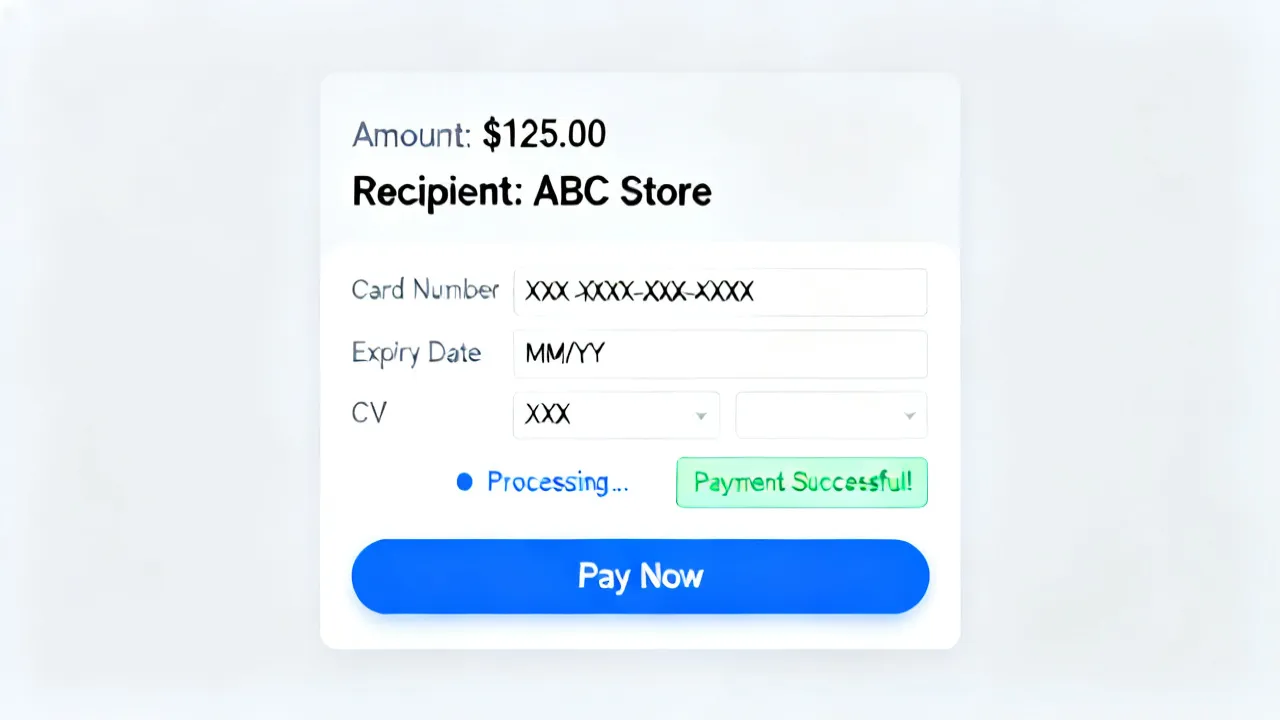
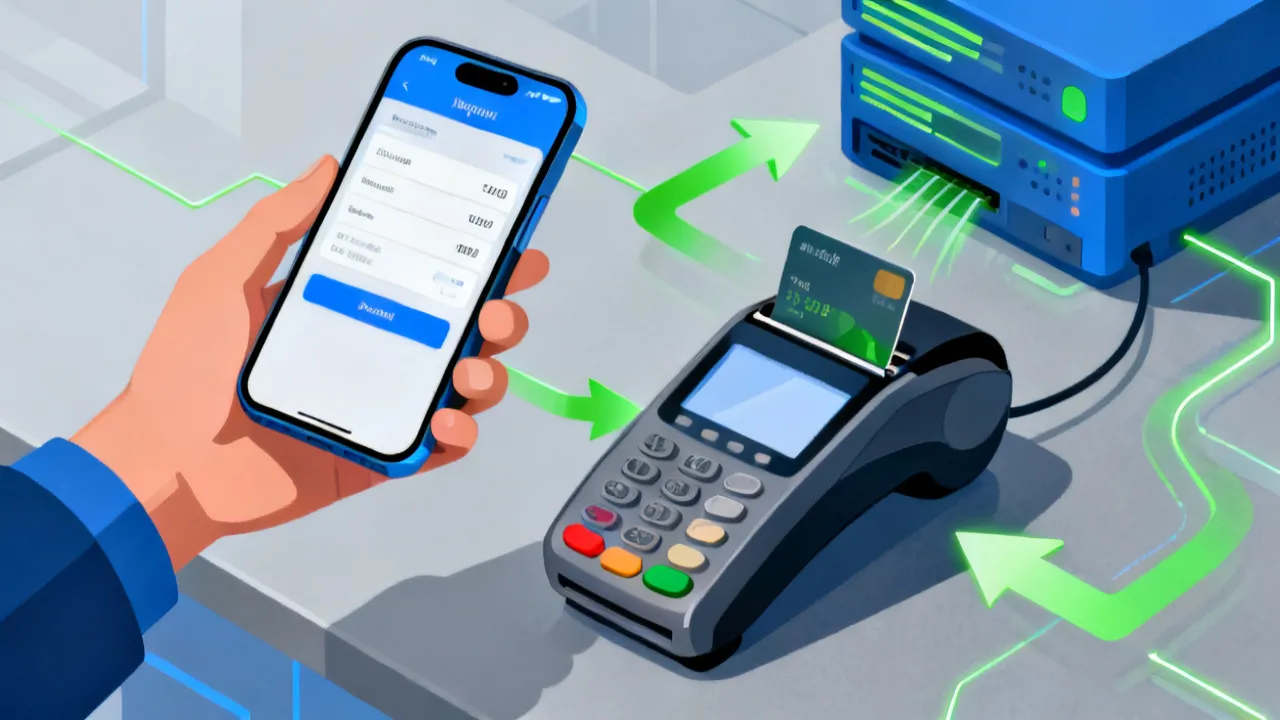
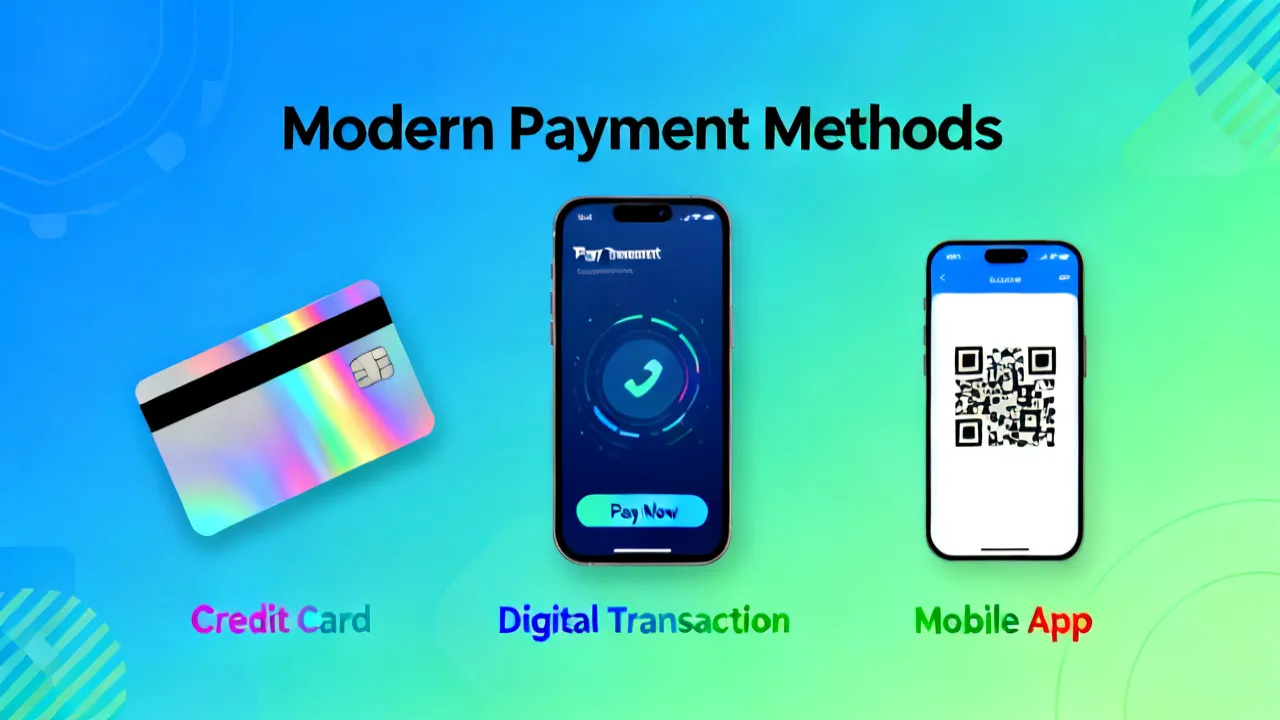
In the diverse world of commerce, payment processing solutions serve as the backbone of transactions. They facilitate the seamless exchange of goods and services for currency, acting as an intermediary between customers and businesses. These solutions are essential for enabling payments through various methods such as credit cards, mobile apps, and online banking, ensuring that the financial exchange is completed promptly and securely.
The Evolution of Payment Processing
Over the years, payment processing has undergone significant transformation. From traditional cash exchanges to contemporary digital platforms, the industry has continually evolved to accommodate the changing needs of consumers. Key developments include the rise of contactless payments, enhanced mobile solutions, and robust security measures that provide a shield against fraud. These advancements underscore the industry's commitment to optimizing efficiency while safeguarding user information.
In response to the growing popularity of e-commerce, businesses have had to modernize how they accept payments, incorporating innovative technologies to meet consumer expectations for speed and convenience. Early payment systems were primarily focused on in-person transactions, but as online shopping gained traction in the late 1990s and early 2000s, the need for secure online payment processing solutions became palpable.
The introduction of advanced encryption technologies and secure payment gateways marked a turning point in the industry. E-commerce giants like Amazon and eBay popularized credit card transactions online, while financial institutions worked tirelessly to ensure that these transactions were secure and trustworthy. The result was an increase in consumer confidence and, consequently, a dramatic rise in online shopping.
In more recent years, the advent of mobile payments and digital wallets has further transformed how people transact. Consumers now expect to complete transactions quickly and efficiently, often with a simple tap on their phones. This shift has paved the way for mobile-specific payment solutions, allowing businesses to cater to the increasing demand for convenience.
Types of Payment Processing Solutions
The payment landscape comprises a variety of solutions tailored to different business needs. Understanding these options can empower businesses to select the very appropriate system. Here are some prevalent types:
- Point of Sale (POS) Systems: Widely used in retail, these systems handle transactions at physical locations, often incorporating hardware like a cash register and software to manage sales. They streamline inventory management and enhance reporting capabilities, allowing businesses to gain insights into customer purchasing behaviors.
- Online Payment Gateways: These facilitate e-commerce transactions, allowing businesses to accept payments over the internet securely. Payment gateways offer functionalities such as recurring billing, address verification, and multi-currency support, helping businesses to scale their online operations effectively.
- Mobile Payment Solutions: With the surge in smartphone use, mobile payment applications have become invaluable, enabling transactions anywhere, anytime. These solutions often leverage near-field communication (NFC) technology to facilitate quick and secure tap-to-pay experiences, making them a favorite among customers who value efficiency.
- Automated Clearing House (ACH): This method enables the transfer of funds electronically, often used for recurring payments like subscriptions. ACH transactions are cost-effective, with lower processing fees compared to credit card transactions, making them an appealing solution for businesses relying on subscription models.
Key Players in the Payment Processing Industry
The industry is dominated by several key players that provide a range of services to meet the needs of businesses and consumers alike. Companies like Visa, MasterCard, and PayPal have established themselves as leaders by continually adapting to market demands and integrating cutting-edge technology into their offerings. These companies are well-regarded for providing reliable and secure platforms that facilitate vast numbers of transactions daily.
Additionally, newer entrants such as Square and Stripe have gained significant traction, particularly among small and medium-sized businesses. Their user-friendly interfaces, competitive pricing, and comprehensive features have made payment processing accessible even for businesses with limited technical expertise. These platforms provide essential tools for managing payments without a hefty upfront investment, making them particularly appealing for startups and entrepreneurs.
Moreover, partnerships between traditional financial institutions and fintech startups are paving the way for innovative payment processing solutions. These collaborations leverage the expertise of established banks with the agility of technology companies to create systems that are both secure and user-friendly.
Choosing the Right Payment Processing Solution
Selecting the appropriate payment processing solution for your business involves evaluating several factors. Key considerations include transaction fees, payment methods supported, security features, and customer support. It’s vital to assess your business size, the volume of transactions, and the nature of goods or services offered to ensure alignment with your chosen provider.
When examining transaction fees, businesses should look for transparency in pricing structures. Some providers charge a flat-rate fee per transaction, while others employ a tiered system based on transaction volume. It’s crucial to calculate potential costs based on expected sales to avoid unexpected expenses. Additionally, businesses should consider whether the provider supports various payment types, as flexibility can enhance customer satisfaction.
Security features are non-negotiable in today's digital landscape. Businesses must ensure that their payment processor adheres to best practices, such as PCI compliance, to protect sensitive customer information. Robust customer support is equally important; reliable service can provide peace of mind, especially during peak sales periods or technical issues.
Lastly, businesses should seek out solutions with advanced reporting capabilities. The ability to analyze transaction data can offer insights into sales trends, customer preferences, and operational efficiencies, all of which are essential for strategic planning and growth.
Table: Comparison of Payment Processing Solutions
| Solution Type | Advantages | Considerations |
|---|---|---|
| POS Systems | Integrated hardware and software for smooth transactions. | Initial setup may be costly for small businesses. |
| Online Payment Gateways | Ideal for digital transactions and global reach. | Variable transaction fees may apply. |
| Mobile Payment Solutions | Convenient for on-the-go transactions. | Dependent on mobile network conditions. |
| ACH Transfers | Cost-effective for recurring transactions. | Slower processing times than some alternatives. |
The Future of Payment Processing Solutions
As technology continues to advance, the future of payment processing looks promising, with emerging trends like blockchain technology and cryptocurrency payments set to redefine transactional dynamics. Such innovations promise to offer even greater levels of security and efficiency, bolstering trust among users. Meanwhile, the integration of artificial intelligence could lead to more personalized and predictive payment experiences, further enhancing the landscape.
The implementation of blockchain technology, for example, could revolutionize how transactions are recorded and verified. This decentralized system has the potential to eliminate fraudulent activities by providing a secure and transparent method for processing payments. Cryptocurrencies may also gain wider acceptance among businesses as consumers become more familiar with digital currencies and demand for alternative payment methods rises.
Additionally, the use of biometric authentication is gaining traction as an effective security measure. Methods such as fingerprint recognition or facial recognition could provide an extra layer of assurance, reducing the risk of unauthorized transactions. As consumer preferences evolve, payment processors must remain agile in adopting these technologies to enhance user experience.
The rise of contactless payments is also expected to continue, with more businesses adopting NFC technology to ensure quick and frictionless transactions. Coupled with mobile wallets that store multiple payment options in one place, it signifies a shift towards a more integrated and efficient payment ecosystem.
In the coming years, we could also see a push towards regulatory changes that aim to simplify cross-border transactions. By developing standardized regulations for payment processing globally, businesses may find it easier to expand their operations internationally. This could enable wider acceptance of various payment methods across different regions and simplify compliance for businesses operating in multiple jurisdictions.
FAQs
Q: What security measures are typically employed by payment processors?
A: Payment processors utilize advanced encryption, tokenization, and secure sockets layer (SSL) protocols to protect sensitive information. They also adhere to compliance standards such as the Payment Card Industry Data Security Standard (PCI DSS). With the growing threat of cyberattacks, processors invest significantly in cybersecurity measures to counteract potential vulnerabilities.
Q: How do mobile payment solutions benefit small businesses?
A: Mobile payment solutions provide small businesses the flexibility to accept payments anywhere, enhancing customer experience and increasing sales opportunities. They allow for quick transaction times, which can reduce waiting lines during peak hours, and additionally foster loyalty through mobile apps and reward programs.
Q: What is the significance of integrating payment processing solutions with existing business systems?
A: Integration ensures seamless operation across various business functions, improves data accuracy, and enhances the customer experience by streamlining the checkout process. This interconnectivity enables businesses to manage inventory, sales data, and customer relationships more effectively, leading to improved decision-making.
In summary, choosing the right payment processing solution is pivotal for business success. By understanding the options available and aligning them with your unique business needs, you can facilitate smooth, efficient, and secure transactions, thereby enhancing customer satisfaction and driving growth.
Emerging Trends Affecting Payment Processing
As the landscape of payment processing continues to evolve, several emerging trends are influencing how businesses and consumers engage in transactions. These trends reflect the changing preferences of consumers, the rapid advancement of technology, and the broader economic environment.
1. The Rise of Subscription Services:
In the last decade, subscription-based business models have gained unprecedented popularity. From streaming services like Netflix to subscription boxes delivering health products or gourmet foods, businesses are increasingly adopting this model to provide convenience and enhance customer loyalty. Payment processors have adapted by offering solutions that cater specifically to recurring billing and subscription management, ensuring businesses can efficiently handle automatic payments.
This trend has also prompted payment processors to develop features such as free trials and tiered pricing options, empowering businesses to offer promotional pricing without complex transaction management. Ensuring that subscription billing is seamless is paramount, as any errors could lead to customer dissatisfaction.
2. Increasing Focus on Artificial Intelligence:
Artificial intelligence (AI) is revolutionizing payment processing by introducing innovations in fraud detection, customer service, and payment personalization. AI algorithms can analyze transaction patterns to identify unusual activities, allowing businesses to react swiftly to potential fraud without hindering legitimate transactions.
Additionally, chatbots powered by AI can assist customers in real-time, answering queries related to payment processing, guiding users through purchase processes, and resolving issues promptly. This immediacy in customer service enhances user satisfaction and builds trust in the payment processing provider.
AI is also aiding businesses in personalizing payment options for different customer segments. Tailored recommendations based on purchasing history and behavior can significantly enhance the overall shopping experience and drive higher conversion rates.
3. Cross-Border Payments and Globalization:
As businesses increasingly aim for global markets, the need for efficient cross-border payment solutions has surged. Payment processors are responding by offering services that minimize transaction costs associated with currency conversion and international transfers. The ability to accept multiple currencies is becoming crucial not just for e-commerce platforms but for brick-and-mortar businesses catering to international tourists.
Moreover, advancements in blockchain technology are narrowing the gap for seamless international transfers. Smart contracts and distributed ledger technology can streamline and expedite the settlement processes for cross-border transactions, reducing time delays significantly.
4. Enhanced Customer Experience through Seamless Transactions:
The expectation for frictionless payment experiences is rising. Consumers favor checkout processes that require minimal steps, and businesses are thus seeking solutions that offer rapid transaction processing. Payment processors are responding by integrating technologies that simplify the checkout experience, like one-click payments and auto-fill features for saved payment information.
Additionally, businesses are exploring omnichannel payment options—ensuring that customers can have a consistent payment experience whether they shop online or in-store. This seamless integration can foster customer loyalty and drive repeat purchases, as customers are less likely to abandon their carts and more inclined to complete transactions when faced with a smooth payment process.
As consumer behaviors continue to evolve, businesses must keep abreast of these trends and ensure that their payment processing solutions not only meet current demands but are also flexible enough to adapt to future changes. By staying at the forefront of payment technology, businesses can enhance their competitiveness and better serve their customers.
Final Thoughts: Navigating the Future of Payment Processing
Payment processing is undeniably at the core of commerce today. As technology drives transformation, businesses must be prepared to adapt to the changing landscape. The pivotal role that payment processing solutions play in maintaining efficient and secure financial transactions cannot be overstated. As we move forward, embracing innovation while prioritizing customer experience and security will dictate the success of payment processing solutions.
Investing in the right payment processing platform can set the foundation for sustainable growth. Businesses should continuously monitor trends, invest in emerging technologies, and remain flexible to adapt as consumer demands shift. It's not only about choosing the right processor today but also about having the foresight to navigate the complexities of tomorrow.
Through thorough analysis, embracing change, and fostering strong customer relationships, businesses can thrive in an increasingly digital world. The future of payment processing solutions holds immense possibilities, and those willing to harness these advancements will undoubtedly lead the way into a more efficient and customer-centric era.
-

The Ultimate Guide to Train Tours: Affordability and Value
-
Mastering Digital Marketing: Essential SEO Skills You Need
-
Enhancing Mobility with Portable Stairlifts: A Comprehensive Guide
-
Cash Management Services for Corporates: A Practical Guide
-
Cash Management Services for Corporates: A Practical Guide